Squeeze bottle
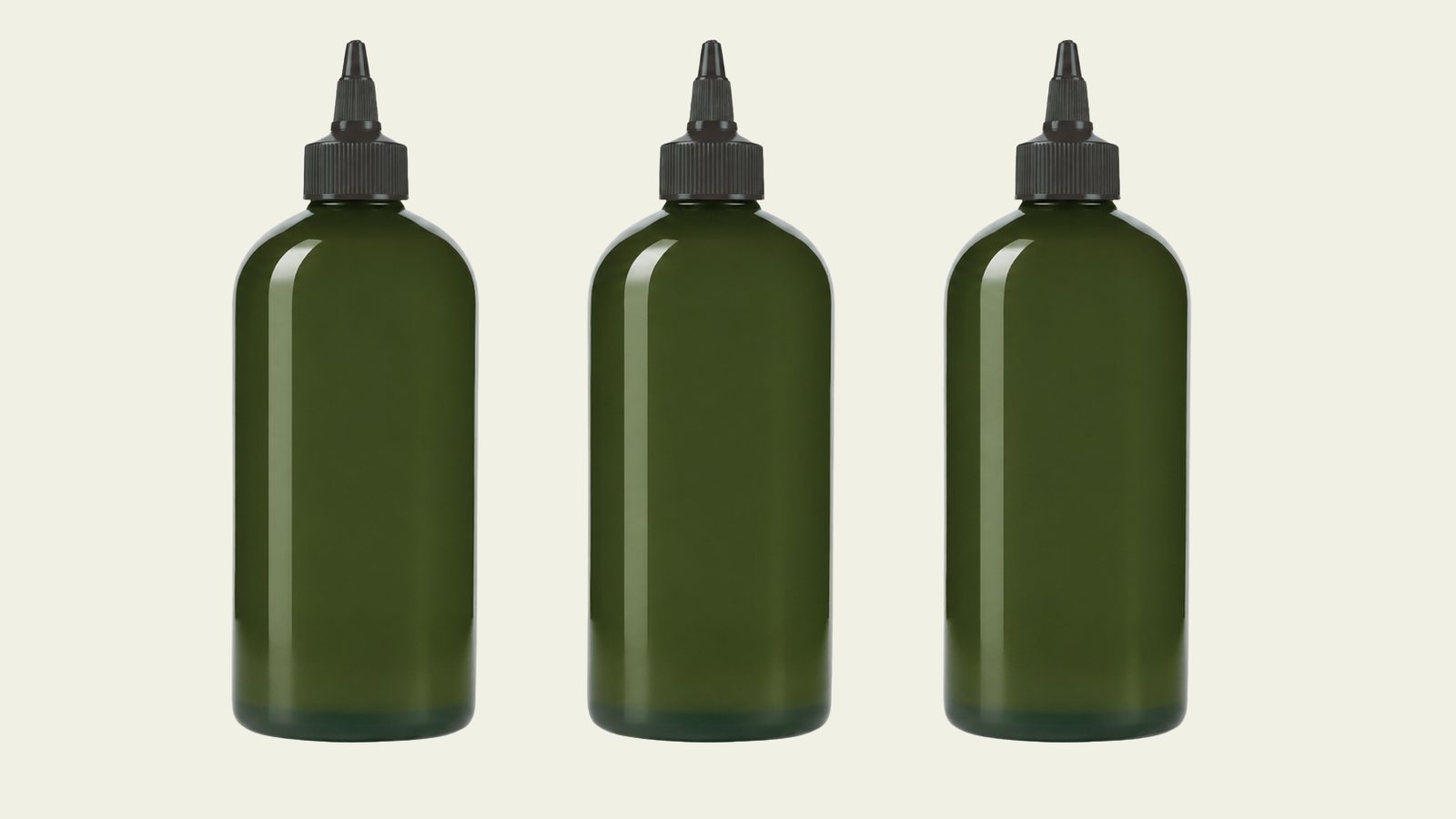
Private label olive oil in a squeeze bottle.
The format that gets a new brand noticed on a shelf of identical glass bottles — in 500 ml, with your label, from a single pallet.
Why this format
A shelf full of glass, and one bottle that isn’t.
Squeeze bottles moved from professional kitchens to the retail shelf because they solve something a glass bottle does not: how much oil actually leaves the bottle, and where it lands. For a brand launching into a crowded category, that is both a usage benefit and the fastest visual differentiator available.
What we supply
500 ml, your label, from one pallet.
We work with a standard squeeze bottle rather than a bespoke mould. That single decision is what keeps the entry volume low — there is no tooling to pay for and amortise before your first production run.
The format
- 500 ml squeeze bottle — the retail reference size
- Standard bottle — no custom mould, no tooling cost
- Minimum order from one pallet — not tens of thousands of units
- Faster to market — no mould lead time to absorb
Your branding
- Custom label — designed to your positioning
- Outer sleeve or carton — where you want a premium presentation
- Change the artwork, not the mould — test a positioning, correct it, extend the range
- Full EU label compliance — reviewed for your destination market
The oil inside
The bottle gets attention. The oil sets the price.
The format is the same for everyone; what you put in it is your actual positioning. We source across the full range, and the cost difference between those choices is larger than most first-time buyers expect.
How much your oil costs at origin depends on the grove it came from — from roughly €3.08 to €5.31 per kilo. We set that out in detail in our guide to olive oil production costs in Spain.
Technical
Olive oil in plastic: the question you should be asking.
Any buyer who knows the product will ask how oil behaves in a plastic bottle, and they are right to. Extra virgin olive oil degrades through three routes — oxygen, light and heat — and packaging governs the first two.
Modern squeeze bottles for food oil are not the thin plastic of a water bottle. They are specified for barrier performance, with pigmentation or opacity to limit light transmission and a closure designed to reduce headspace exchange each time the bottle is used. Recycled content is now common without sacrificing that barrier.
What matters commercially is that the shelf life you print has to be the shelf life the packaging can actually support, in the climate the product will be sold and stored in. That is a specification question, decided before the first run — not something to discover after it. We review it with you as part of defining the product, alongside the label content your destination market requires.
Questions
Before you get in touch.
What is the minimum order for a private label squeeze bottle?
It starts at one pallet in 500 ml. That is deliberately low for this category, and it is possible because we use a standard bottle rather than a bespoke mould: there is no tooling cost to amortise across your first run. The exact unit count and costing depend on your oil, your market and your finishing, so we confirm them for your specific project.
Can I put a premium or PDO oil in a squeeze bottle?
Yes, and it is a more interesting position than it first appears. The format is usually read as everyday and practical, so filling it with a certified organic or protected-designation oil targets a buyer who wants quality without ceremony. It is a genuine gap on most shelves — but it is a deliberate choice to make, not a default.
Is the bottle customised, or only the label?
The bottle is a standard format; your branding lives on the label and, if you want it, an outer sleeve or carton. That is the trade-off that keeps the minimum order at a pallet. The upside is flexibility: you can revise artwork, test a positioning or extend a range without paying for a new mould each time.
Does olive oil keep as well in plastic as in glass?
It depends entirely on the specification. Food-grade squeeze bottles are made for barrier performance and light protection, not the thin plastic of a water bottle. What matters is that the shelf life you declare matches what the packaging genuinely supports in your destination market’s climate — which is decided when the product is specified, with us.
How long does a first production run take?
Because there is no mould to produce, the timeline is driven by oil selection, sample validation, label design and compliance rather than by tooling. The tightest weeks in the olive oil calendar are September and October, before the new harvest arrives; a brand aiming for shelf space early in the year should start well before then.
Start your brand
Let’s build your olive oil brand.
Tell us about your project — market, product, timing. We’ll come back with first recommendations and matched options from Spanish producers. No commitment.
·